Why winter is the best time to prune most trees
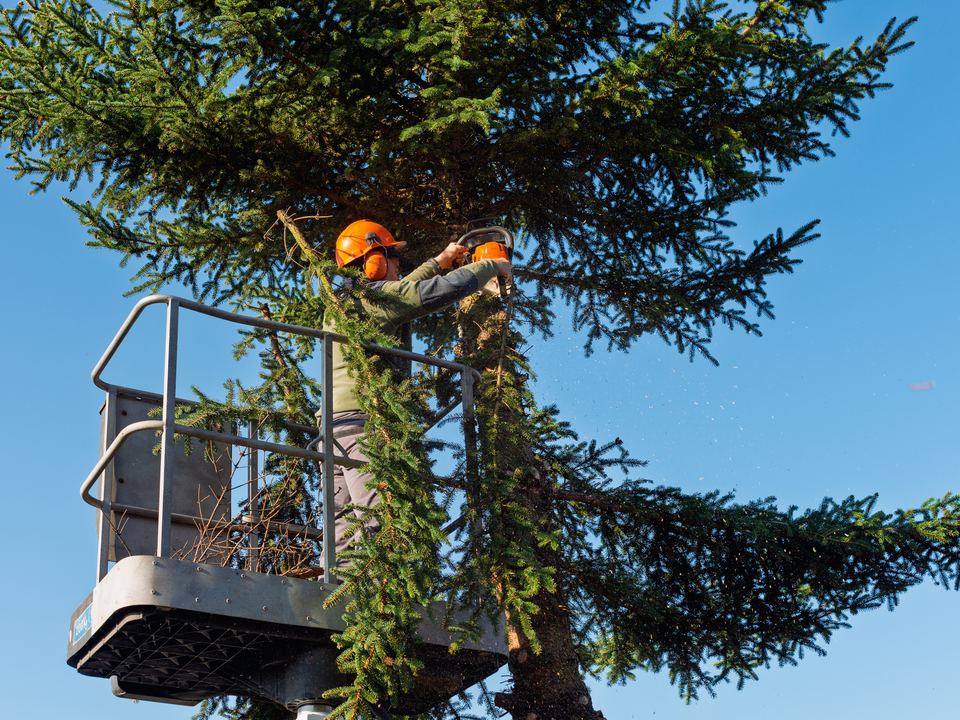
People think of tree work as a summer job. For most shade trees the better season starts when the leaves come down.
What changes when the leaves are off
- We can see the tree. In summer the structure is hidden. In winter every crossing limb, tight fork, crack and dead branch is in plain view, and the cuts that fix them are easier to choose and to place.
- The tree spends less. A tree’s energy for the year is stored in its wood and roots by late fall. Pruning while it is dormant takes away branches without taking away the leaves that were feeding it.
- Wounds stay cleaner. Most of the insects and fungi that enter through a fresh cut are inactive in cold weather, and the tree begins sealing the wound as soon as growth starts in spring.
- The yard takes it better. Frozen ground carries equipment without rutting the lawn, and there are no flower beds in the way.
Trees that should be pruned in winter
- Elms. The beetles that carry Dutch elm disease are drawn to fresh cuts during the growing season. Elms are pruned while the beetles are not flying.
- Apples, crabapples, pears and hawthorns. Fire blight, the bacterial disease that blackens branch tips, spreads on tools and in warm wet weather. These are pruned in late winter, while the bacteria are dormant.
- Oaks, honeylocusts, lindens, ash and most other shade trees. No special risk, and all the advantages above.
What we leave for later
- Spring-flowering trees and shrubs such as lilac, forsythia and flowering plum set their flower buds the summer before. Prune them in winter and you cut the flowers off, so they wait until just after they bloom.
- Maples, birch and walnut bleed sap heavily if cut in late winter. It does the tree no real harm, but it is messy, so they are often done in early winter or after the leaves have opened.
Dead, broken or hazardous limbs are the exception to every rule here: they come off whenever we find them.
Before the snow, not after
Our worst tree damage comes from heavy wet snow and from winter wind off the foothills. A tree that has had its dead wood removed and the weight taken off its longest limbs sheds that load far better than one that has not. Work done in November and December is work done before the storms that test it.
If you are not sure what your trees need, book an inspection. An arborist will walk them with you, and the price is in writing before anything is cut. More on how we do it: tree pruning.