Tree trimming
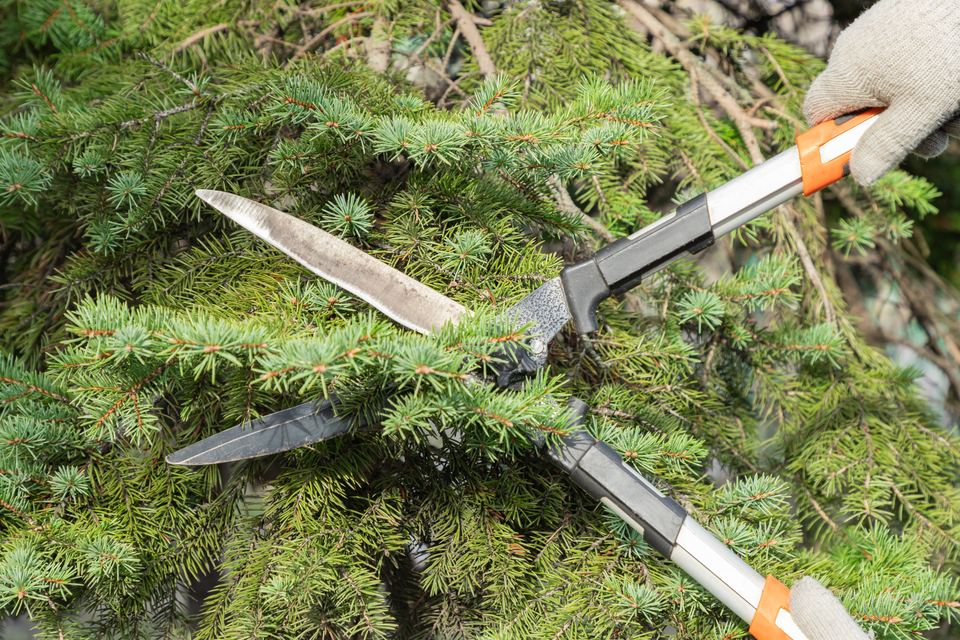
Regular trimming keeps a tree healthy, safe and looking its best — and the best-looking trees are the ones that are trimmed on a schedule.
Trimming is the lighter, more frequent work: thinning, shaping, raising a canopy off a lawn or a sidewalk, taking small dead wood out before it comes down on its own. It keeps the tree’s shape and lets light and air through the crown, which is good for the lawn under it and for the tree itself.
Most mature shade trees on the Front Range do well on a two- to three-year cycle. We will tell you what cycle fits your trees, and we keep the record so you do not have to.
Trimming and pruning are often done in the same visit; the difference is how much comes off and why.
What tree trimming costs
Every tree is priced on its own, after a free visit, and you have the price in writing before anyone climbs. What moves it:
- Size. Height and spread set the hours and the equipment. A 20-foot crabapple and a 60-foot cottonwood are different jobs.
- How much comes off. A light thin and a lift off the lawn is quick; a tree that has not been trimmed in ten years takes longer and more care.
- Access. Whether the bucket truck can reach the tree from the street or drive, or the crew climbs it. Narrow side yards, slopes and fences add time.
- What is under it. Working over a roof, a fence, a garden or a neighbor’s property means rigging every piece down instead of letting it fall.
- Haul-away. Brush and wood leave with us unless you want the wood; that is priced in.
Several trees in one visit usually cost less per tree than separate visits, because the crew and truck are already there. The estimate is free, and it does not change once we start.
Questions we hear about tree trimming
How much does tree trimming cost in Lakewood and Denver?
It depends on the tree more than on the city: how tall and wide it is, how much needs to come off, whether the truck can reach it or a climber goes up, and what sits under it. We price every tree after a free visit and put the price in writing before the work starts. There is no charge for the estimate.
How often should trees be trimmed?
Most mature shade trees on the Front Range do well on a two- to three-year cycle. Fast growers like cottonwood, silver maple and elm may need it more often; slow growers less. We tell you what cycle fits your trees and keep the record, so you do not have to remember when it was last done.
What is the difference between trimming and pruning?
Trimming is the lighter, more frequent work: thinning, shaping, raising the canopy, taking out small dead wood. Pruning is the structural work that decides how the tree grows for decades. They are often done in the same visit; the difference is how much comes off and why.
See our pruning page for the long version.
Can you trim branches over my roof or the neighbor's yard?
Yes. Clearance over roofs, drives, sidewalks and property lines is most of what trimming is for. Branches over a roof or a fence are rigged and lowered rather than dropped. Work on a neighbor's tree needs the neighbor's go-ahead; we are happy to talk to them.
When is the best time to trim?
Most trimming can be done any time of year. Heavy work is best in the dormant season, late fall through early spring, when the tree is not actively growing and the structure is easy to see. Dead wood can come out whenever it is found.